
Quotations from modern-era advocates of Peace
Meet Albert, Johan, John, Desmond, Yoko and Malala.

.
In many matters the lives and works of revered leaders are valuable starting points for learning and action.
That's certainly true of leaders such as these for Peace. Their thoughts and actions are respected because they have already improved or saved countless lives.
.
Everyday words conveying valuable ideas
Many people are recalled affectionately for memorable expressions such as "A stitch in time saves nine" or "Strike while the iron's hot".
What do such expressions do? They capture important but difficult or in tangible ideas, in this case of timeliness - doing things at the right time or in good time.
What makes them memorable? They're made memorable by referring to simple everyday activities, in these cases the repairing of clothing and the forming of iron-work.
.
Top Tips
'Top Tips' has become a common label for valuable practical advice.
In matters of Peace though, 'Top Tips' are complicated by the elusive nature of Peace and by the novelty and challenges of doing anything about its problems.
Fortunately, there are clues in words from leading figures such as Albert and the others here.
Their advice is specially valuable because it comes from the highest level, theirs, of expert knowledge and experience.
Their 'Top Tips' are literally 'Tips from the Top'.
.
Tips on Peace from expert Leaders
A few Tips can be detected in the quotes here by leaders talking about Peace: the 20th century's Albert Einstein, Johan Galtung, John F Kennedy, Desmond Tutu and Yoko Ono, and the 21st century's Malala Yousafzai.
.
Theoretical physicist Albert Einstein's terse summary opened lots of new ways of thinking and seeking Peace:
“Peace cannot be kept by force; it can only be achieved by understanding.”
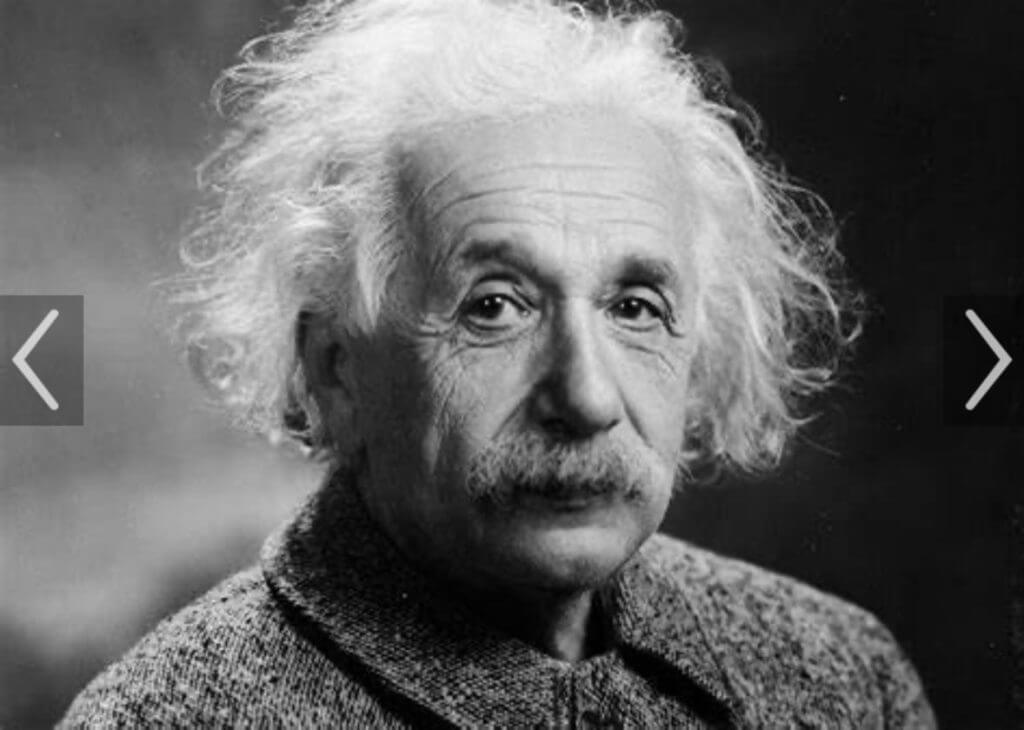
Most famous for his Theories of Relativity, the pathway opened in his lifetime from atomic physics to the creation of nuclear weapons led him to deep concern for Peace.
Einstein's thoughts were that resolving a human dispute through force had often failed and that a better way for opposing parties would be to talk, understand each others' positions, and keep growing trust until an agreed compromise is found.
.
.
Norwegian mathematician and sociologist Johan Galtung laid the foundations of modern peace research, defining Peace as a process using human skills and insights:
"By peace, we mean the capacity to transform conflicts with empathy, without violence, and creatively - a never-ending process."
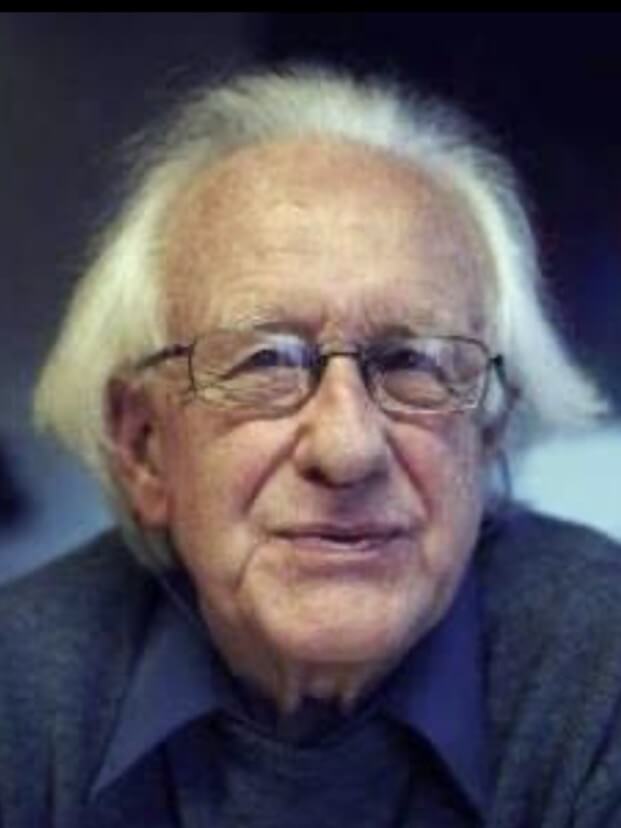
Norwegian Founder of peace research and author of seminal works in the 1950s to 80s on violence, and on three forms in which it afflicts peace - structural violence and cultural violence, as well as direct physical violence.
Find references on this site or elsewhere to Galtung's Mini-Theory of Peace, his Violence Triangle and the light they add to our understanding and shine on modern international relations, conflict and peace.
.
.
John F Kennedy, 35th President of the USA in a particularly tumultuous period described peace as a process.
"Peace is a daily, a weekly, a monthly process - gradually changing opinions, slowly eroding old barriers, quietly building new structures. And however undramatic the pursuit of Peace, that pursuit must go on."
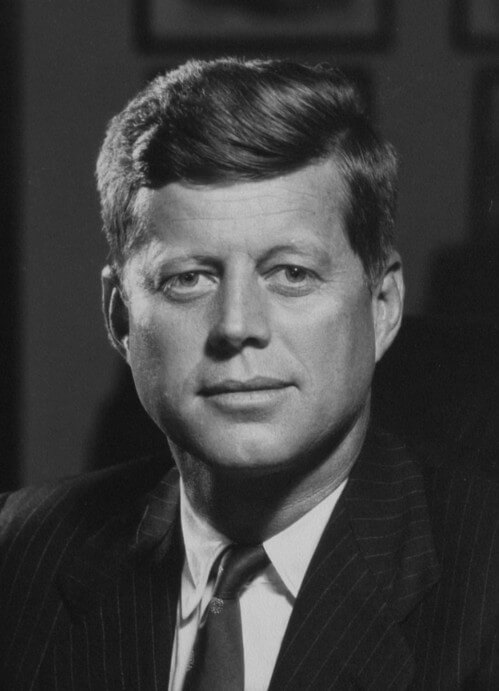
United States President at a critical moment of confrontation in the long international Cold War period, as the US and the USSR (now Russia) were deploying nuclear weapons close to each others' borders.
Kennedy advocated what was then newly published by Galtung, and the importance of our human capacities for persistence, patience, communication and negotiation.
.
.
Desmond Tutu, 1931 - 2021 and Archbishop of Cape Town from 1986 - 96 famously advised:
"Do your little bit of good where you are; it’s those little bits of good put together that overwhelm the world.”
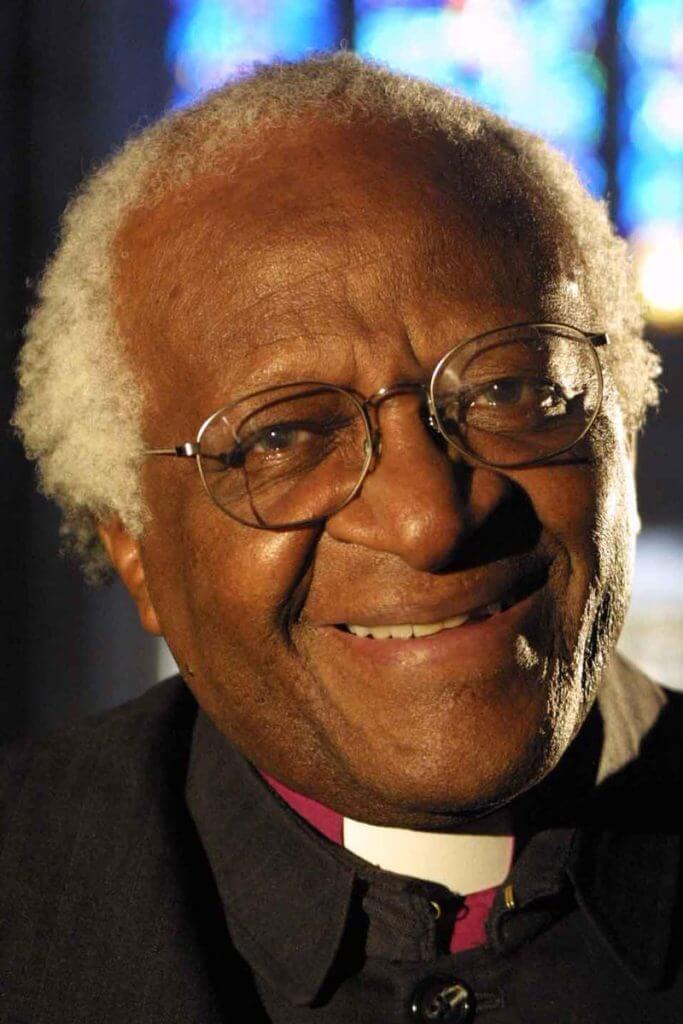
Knowledge about Peace grew enormously during Tutu's lifetime and explains how peace breaks, can be mended and made stronger. His advice about our 'little bits of good' is a fruitful starting point for growing 'general knowledge' about Peace.
When we do good things we experience a 'feel good effect'. The effect is well-understood from physiology and neuroscience so provides a theoretical framework for making Peace stronger. Read more about that framework in Posts about the origin and growth of Peace.
.
..
Yoko Ono, Japanese multi-media and performance artist with a global platform for creating works that stimulate and challenge thought.
" All it may take for Peace to prevail is for more of us to think and talk about it more often."
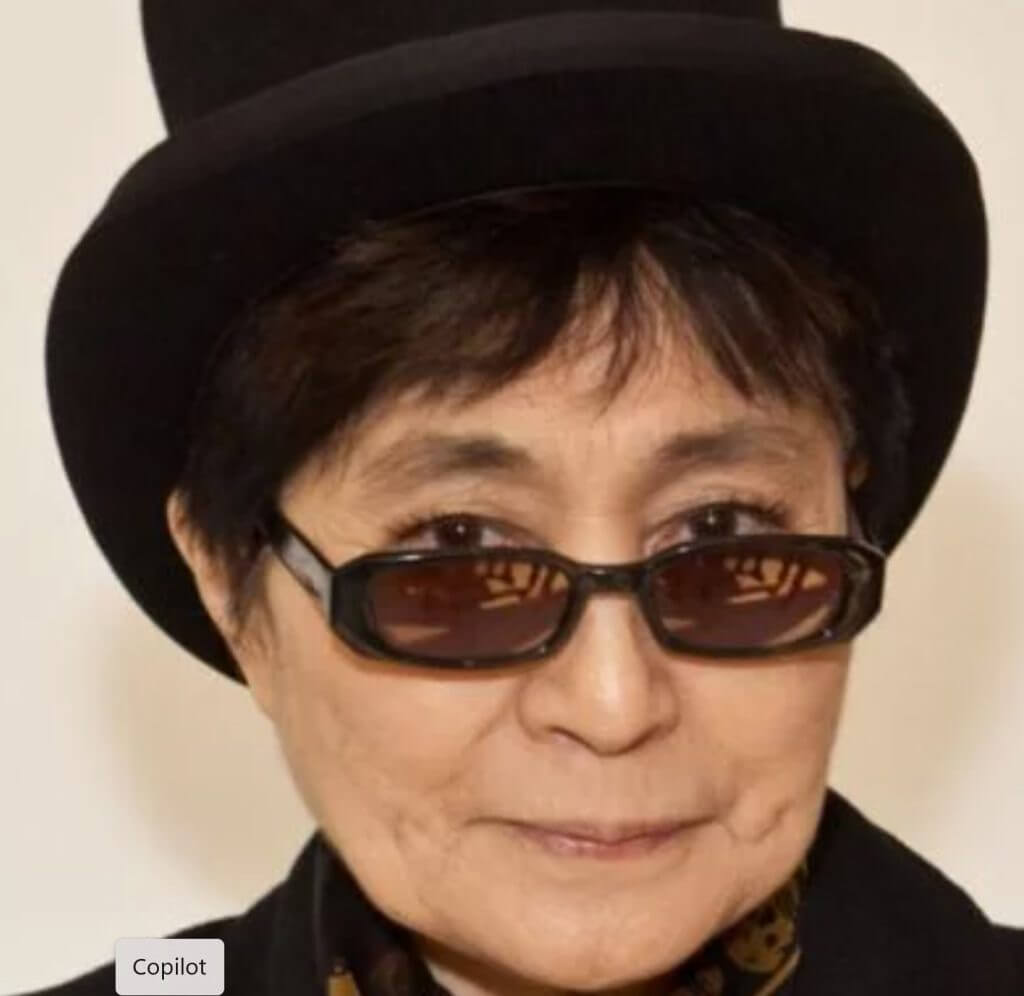
Prominent since the 1960s for her work and her relationship with renowned singer/songwriter John Lennon. Commemorated his life and his death in 1980 by founding a Peace monument that's arguably the world's largest, the 'Imagine' Light-tower in Iceland.
For many decades Ono has promoted Peace through striking forms of awareness-raising artwork including locally staged protests, worldwide poster campaigns and other performances and artefacts that invite reflection and discussion on co-operation and other human behaviours that influence peace.
.
Malala Yousafzai, born 1997 - from age 11 a prominent and persistent Pakistani advocate of universal education for girls.
“To bring peace don’t send soldiers – send teachers.”
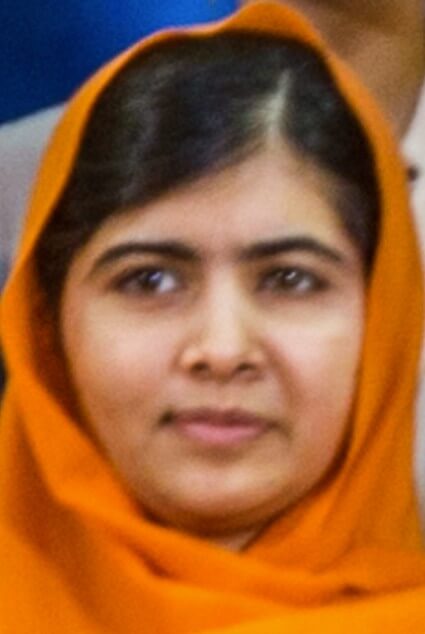
Surviver of a globally notorious assassination attempt, Malala recovered and continued her education and advocacy from bases in the UK. She was acclaimed in 2014 as the youngest ever Nobel Laureate for Peace.
While still at school Malala continued her father's work on human rights in Pakistan amid aggressive repressive influences. She advocated strongly for all girls to receive 12 years of free, safe, high quality education. Global outrage at the 2012 attempt on her life signaled widespread rejection of the high status accorded to local traditions and support for public education.
.
.
LEARNING ABOUT PEACE
The lives and works of Peace leaders such as those above (and there are many more) are invaluable starting-points and frameworks for learning about Peace.
That's partly because associations with a human face, figure or even a name make new things stick more firmly in our memory.
The quotations above draw attention to a little of the modern vocabulary of peace.
communication, compromise, conflict, co-operation, creativity, education, empathy, freedom, rights, bits-of-good, negotiation, patience, peace, process, persistence, reflection, talk, thought, transformation, trust, understanding and violence
There's a lot of other vocabulary and ideas about Peace available from Libraries and other Internet sources.
NEXT?
Start your own collection of the peace vocabulary.
To make valuable sense of that vocabulary (and more) try some of the things contained in the Learning and Action sections of this site.
Whatever you know already there may be activities there to add to your everyday, junior, school or more advanced knowledge and understanding.
And if there's more to add from your own learning and experience do please get in touch to tell us all. Just Email from here:
EDITOR: please add an Email link here.